
Water, Sanitation and Hygiene (WASH)
- . Water, Sanitation and Hygiene (WASH)
Water, Sanitation and Hygiene (WASH)
CSP envisage contributing towards improved quality of life of people through positive behavioral change communication and improved health & hygiene, water and sanitation practices. CSP specializes in community led total sanitation (CLTS) approach for implementation of WASH interventions engaging all stakeholders, rightly in the direction of Pakistan’s National Sanitation policy. CSP ensures and promotes availability and use of safe drinking water, zero level open deification and improved hygiene practices in order to contribute for reduction in mortality rates among populations particularly among under-five year children. It particularly emphasize on awareness creation and sensitization through effective mass media campaigns, village sanitation committees and school level WASH clubs. CSP build capacities of stakeholders for quality implementation and advocate and lobby for scalability/expansion, strengthening and sustainability of WASH services throughout the life of its interventions.
CSP has signed an Open Defecation Free Project (ODF) with Sindh Local Government in District Matiari Sindh. Accelerated Action Plan for Reduction in Stunting and Malnutrition is named as “Sindh Enhancing Response to Stunting and Malnutrition” by the World Bank. It’s a multi-sector program where Health, Local Government, Agriculture, Livestock and Fisheries, Education, Social Welfare, Population Welfare are participating. The local Government is responsible for WASH Component design, implementation, and evaluation. The basic aim of the project is to reduce open defecation practices and improve hygiene promotion through hand washing.
Key areas of interventions:


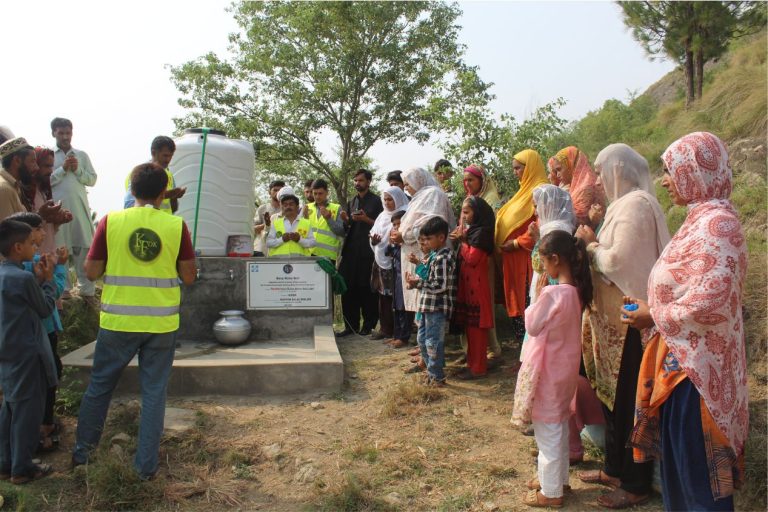


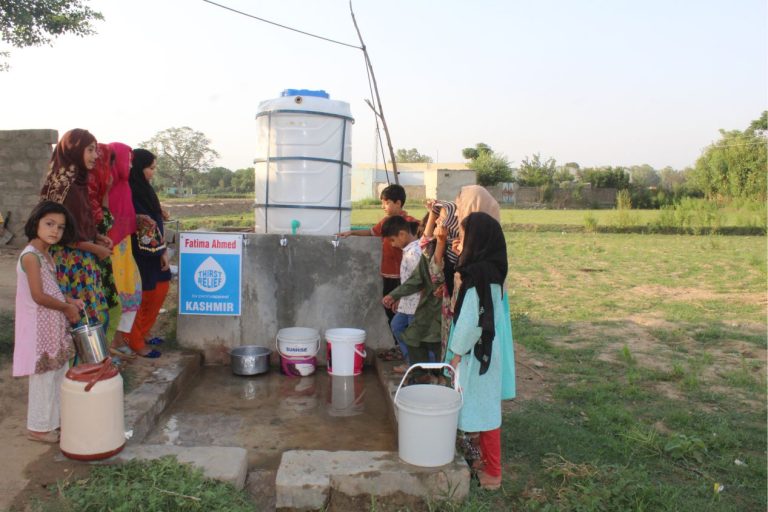


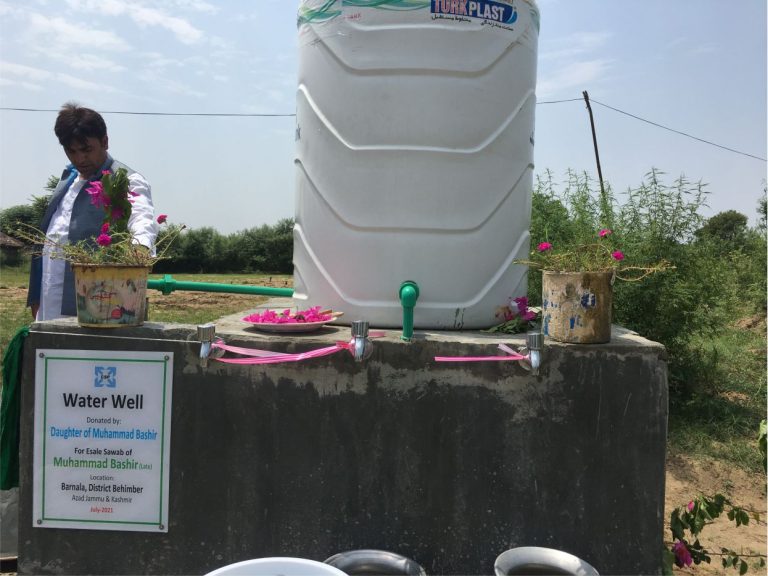

Construction and Installation of Drinking Water Supply Schemes
CSP is actively addressing water scarcity in vulnerable and underserved communities by constructing and installing safe drinking water supply schemes including hand pumps, deep bore wells, dug wells, tube wells, and gravity-fed systems across rural Islamabad, districts of Khyber PakhtunKhawa, Punjab, and Azad Jammu & Kashmir. These initiatives focus on ultra-poor families and populations with limited access to safe drinking water, ensuring that even the most remote communities can benefit from clean and reliable water sources. By improving access to safe water, CSP not only supports public health and hygiene but also enhances the overall well-being and resilience of these marginalized communities.
Formation of WASH Clubs
CSP has formed WASH (Water, Sanitation, and Hygiene) Clubs in collaboration with government and private schools as well as community structures to promote awareness about personal, domestic, and environmental sanitation. These clubs aim to educate students and community members on hygiene practices, safe water usage, and proper waste management, fostering a culture of cleanliness and responsibility. By engaging young learners and local stakeholders, CSP encourages behavioral change that reduces the risk of waterborne diseases and improves overall community health. The initiative empowers communities to take ownership of sanitation practices, leading to healthier environments and sustainable development outcomes.
Health Education through Health & Hygiene Sessions
CSP promotes Health Education through regular Health and Hygiene Sessions in communities focused on the importance of safe water usage and improved sanitation practices. These sessions raise awareness about the prevention of waterborne, communicable, and non-communicable diseases, emphasizing hand washing with soap, safe drinking water, proper food hygiene, and the elimination of open defecation. Special attention is given to the protection of pregnant women, lactating mothers, children, and elderly persons, who are more vulnerable to health risks. By educating communities on preventive healthcare and hygiene behaviors, CSP helps communities to reduce disease prevalence, improve overall well-being, and foster healthier more resilient communities.
Partnership with National, International Non-Government Organizations
Through strategic partnerships with national and international non-governmental organizations (NGOs and INGOs), CSP is constructing and installing drinking water supply schemes in poor and underserved areas of rural Islamabad, Khyber PakhtunKhawa, Punjab and Azad Jammu & Kashmir with a focus on deep wells, dug wells, and gravity-based water systems. These initiatives address the urgent need for safe and reliable water in communities facing chronic scarcity and poverty. CSP ensures strong community participation in planning and implementation, fostering local ownership and sustainability. A structured complaint response mechanism and regular monitoring processes are also in place to maintain transparency, accountability, and long-term functionality of the schemes.
