
Advocacy & Campaigning
- . Advocacy & Campaigning
Advocacy & Campaigning
CSP mobilize, organize and train communities under its three-tier community institutionalization model approach enabling them understand and engage with government structures at local and national levels. We support young people to track service availability in their communities and report their findings to decision-makers. The CSP organize forums through which young people raise voice to influence the policy debates shaping young people’s lives.
Key areas of interventions:
- Promoting access to quality healthcare, maternal and child health services, and disease prevention programs.
- Enhancing educational access, quality teaching, literacy programs, and inclusive learning opportunities.
- Strengthening water, sanitation, and hygiene systems, promoting safe drinking water, and behavioral change communication.
- Promoting gender equality, women’s economic and social inclusion, vocational training, and social entrepreneurship.
- Ensuring effective policies, coordination, and support mechanisms for timely humanitarian assistance.
- Promoting sustainable environmental practices, climate resilience, and protection of natural resources.
- Encouraging development, maintenance, and improvement of community infrastructure, including schools, health facilities, mosques and water systems.


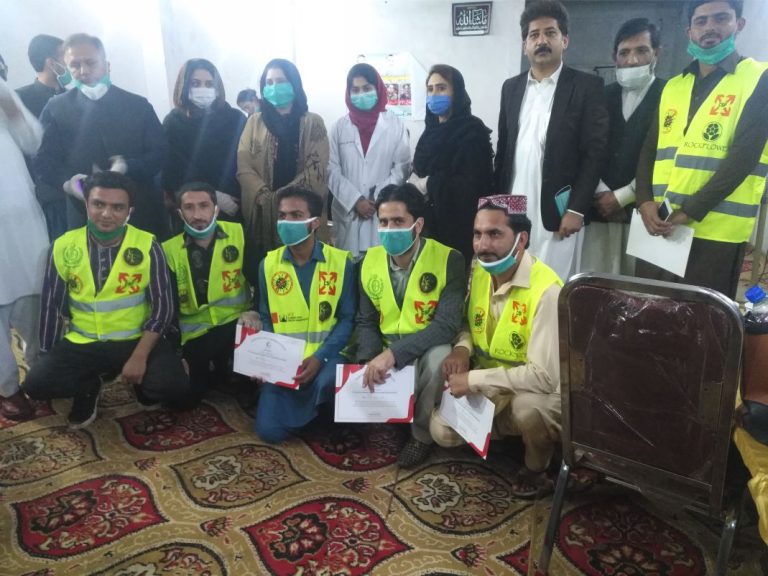


Promoting access to quality healthcare, maternal and child health services, and disease prevention programs
CSP promotes access to quality healthcare by providing maternal and child health services, preventive care, and disease awareness programs in underserved communities. Through targeted advocacy initiatives, CSP raises awareness about health rights, hygiene practices, nutrition, and vaccination, empowering communities to make informed health decisions. These efforts improve overall health outcomes, reduce preventable illnesses, and contribute to the well-being and resilience of vulnerable populations.
Enhancing educational access, quality teaching, literacy programs, and inclusive learning opportunities
CSP works to enhance educational access by promoting quality teaching, construction of government & TGMS schools and inclusive learning opportunities for all, especially marginalized groups. Through its advocacy initiatives, CSP raises awareness on the importance of education, supports community engagement, and encourages enrollment and retention in schools. These efforts foster lifelong learning, reduce educational disparities, and empower individuals with the knowledge and skills needed for personal growth and community development.
Strengthening water, sanitation, and hygiene systems, promoting safe drinking water, and behavioral change communication
CSP undertakes advocacy initiatives at the department level by engaging with government departments, local authorities, and institutional stakeholders to influence policies and programs. These initiatives focus on promoting WASH initiatives ensuring that departmental strategies are inclusive, effective, and aligned with community needs. By building strong relationships and providing evidence-based recommendations, CSP helps to integrate community priorities into official planning, strengthening governance and service delivery.
Promoting gender equality, women’s economic and social inclusion, vocational training, and social entrepreneurship
CSP promotes gender equality and women’s economic and social inclusion through targeted advocacy initiatives at the department level. By engaging with government departments and institutional stakeholders, CSP highlights the importance of vocational training, skill development, and social entrepreneurship for women. These efforts encourage policy support, resource allocation, and program implementation that empower women to participate fully in economic, social, and decision-making processes, fostering inclusive growth and sustainable community development.
Ensuring effective policies, coordination, and support mechanisms for timely humanitarian assistance
CSP works at the department level to ensure effective policies, coordination, and support mechanisms for timely humanitarian assistance. Through its advocacy initiatives, CSP engages with government departments and relevant stakeholders to streamline disaster response, improve resource allocation, and strengthen emergency preparedness. These efforts help to guarantee that vulnerable communities receive prompt, well-coordinated relief and support, enhancing resilience and reducing the impact of crises.
Promoting sustainable environmental practices, climate resilience, and protection of natural resources
CSP promotes sustainable environmental practices, climate resilience and the protection of natural resources through advocacy initiatives at the department level. By engaging with government departments and institutional stakeholders, CSP encourages the development and implementation of policies that support eco-friendly practices, conservation efforts, and community-based climate adaptation strategies. These initiatives aim to strengthen environmental governance, raise awareness, and ensure sustainable use of natural resources for long-term community and ecological well-being.
Encouraging development, maintenance, and improvement of community infrastructure, including schools, health facilities, mosques and water systems
CSP encourages the development, maintenance, and improvement of community infrastructure through targeted advocacy initiatives. By engaging with government departments, local authorities, and stakeholders, CSP promotes the construction and enhancement of schools, health facilities, mosques, and water systems. These efforts aim to ensure safe, accessible, and sustainable community services, strengthen local capacity and improve the overall quality of life for residents.
